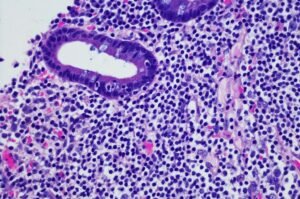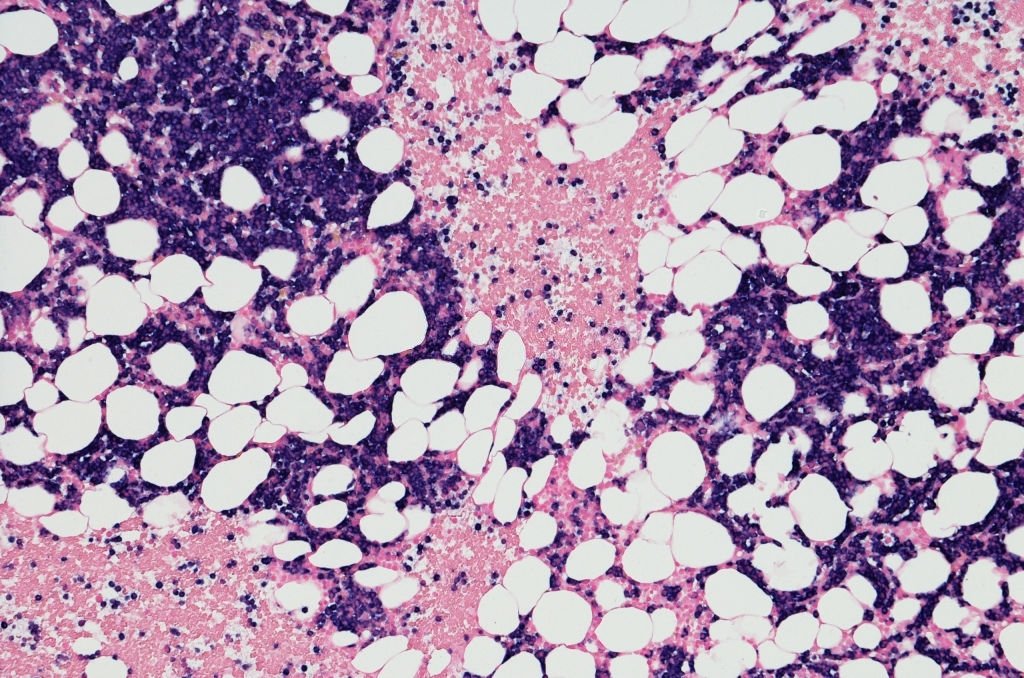
Multiple myeloma : malignant plasma-cell proliferative disease accounts for 1% of all malignancies and its diagnosis is based on the presence of bone pain, anemia, and plasma-cell infiltrate in the bone marrow or within bone lesions.
The essential spectrum of plasma-cell proliferative disorders needs to be recognized: (As it affect important management decisions)
- monoclonal gammopathy of undetermined significance (MGUS),
- smoldering (asymptomatic) multiple myeloma (SMM),
- active (symptomatic) MM
Multiple myeloma: Being is a rare type of cancer affecting bone marrow and capability to alter blood’s plasma cells leads to an accumulation of cancer cells in bone marrow; eventually, the cancer cells overtake healthy blood cells, and body becomes unable to produce disease-fighting antibodies. Instead, harmful proteins that damage your kidneys and cause other signs and symptoms are produced and accumulated itself in different vital organs.
Knowing the most common signs and symptoms of multiple myeloma may help you detect it before it becomes advanced. Make an appointment with your doctor if you notice any of the potential warning signs.
Clinical Featues of Multiple Myeloma(Some patients may be asymptomatic). Other common symptoms of the disease are:
- Bone problems
- Bone pain, most often in the back, the hips, and skull
- Bone weakness, osteoporosis or at site of a plasmacytoma
- Broken bones ( easy fractures from only a minor stress or injury)
- Low blood counts
- Shortages of red blood cells, white blood cells, and blood platelets might lead to other symptoms.
- Anemia: cause weakness, shortness of breath, and dizziness.
- Leukopenia: lower resistance to infections such as pneumonia
- Thrombocytopenia: blood platelet counts are low may cause serious bleeding even with minor scrapes, cuts, or bruises
- High blood levels of calcium can cause:
- Extreme thirst, leading to drinking a lot
- Urinating (peeing) a lot
- Dehydration
- Kidney problems and even kidney failure
- Severe constipation,
- Abdominal (belly) pain
- Loss of appetite
- Weakness
- Feeling drowsy
- Confusion
- Nervous system symptoms
- muscle weakness, most often in the legs.
The abnormal proteins produced by myeloma cells are toxic to nerves & damage can lead to weakness and numbness with a “pins and needles” sensation, also called peripheral neuropathy.
In certain cases, large amounts of myeloma protein cause the blood to “thicken” called as hyperviscosity. This slower blood flow to the brain and cause:
- Confusion
- Dizziness
- Symptoms of a stroke, like slurred speech
Patients with these symptoms should call for immediate medical help
In these cases removing the protein from the blood using a procedure called plasmapheresis becomes essential to reverse the problem.
Myeloma protein damage the kidneys and signs of kidney damage may be seen on a blood test or a urine test. This can lead to symptoms/clinical features such as:
- Weakness
- Shortness of breath
- Itching
- Leg swelling
- Infections like pneumonia