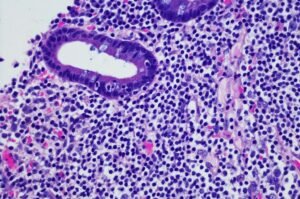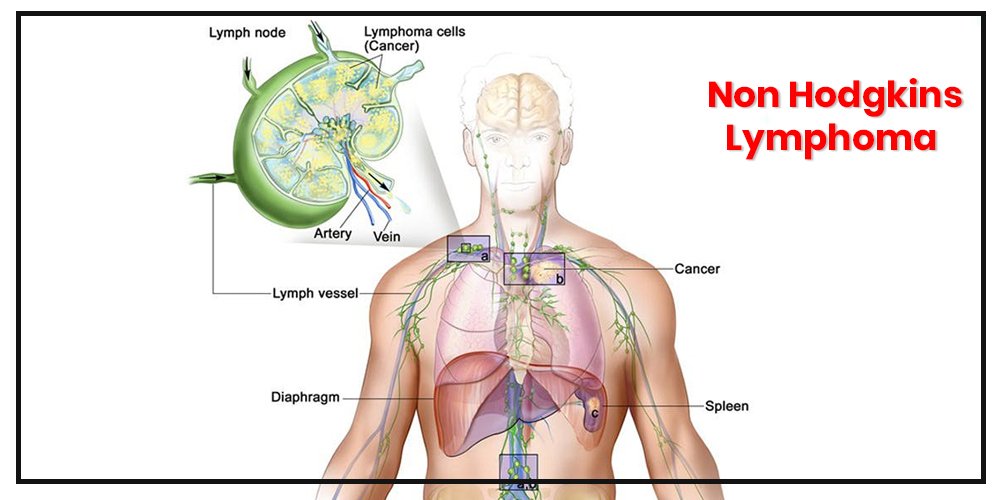
Non-Hodgkin’s Lymphoma is a type of cancer that starts in the white blood cells also called lymphocytes. Lymphocytes are part of the body’s immune system. Cancer begins when cells in any part of the body start to grow in an abnormal way. Lymphoma starts in any part of the body that contains Lymph tissues.
The lymphatic system is responsible for the functioning of your immune system. They contain infection-fighting white blood cells. In non-Hodgkin lymphoma, that are affected begin to multiply in an abnormal way. Due to this, a node is formed and the infection-fighting properties of the cells is reduced. This makes the person more vulnerable to infections.
A Human body has more than 500 lymph nodes. The armpits, neck, abdomen, chest and pelvis have clusters of nodes. Non-Hodgkin’s Lymphoma may affect different organs such as liver stomach and lungs.
The major places where lymph tissues are affected are:
- Lymph Nodes
- Bone Marrow
- Spleen
- Digestive Tracks
- Adenoids and Tonsils
Non-Hodgkin’s Lymphoma Symptoms
The most common symptom of non-Hodgkin’s Lymphoma is a painless swelling in the lymph node. When lymphocytes get collected in the lymph nodes, a swelling occurs. Other symptoms of non-Hodgkin’s Lymphoma depending on the place where it is in the body include :
- High Fever that comes and goes over several days and weeks
- Excess Weight Loss
- Chills
- Fatigue (Feeling Tired)
- Feeling of breathlessness
- Night Sweats
- Pain or pressure in the chest
- Cough
- Severe or very frequent infections
- Easy bruising or bleeding
- Loss of appetite or feeling full even after small meals
- Lymphomas of the stomach or abdomen may cause vomiting nausea and even a pain in the abdomen
- Lymphomas that spread around the brain or the spinal cord cause headache, trouble in thinking, trouble in speaking, or facial numbness.
- Lymphoma of the skin can be easily visible or felt. It appears red and itchy, there may be lumps under the skin.
Non-Hodgkin Lymphoma Treatment Protocol
Generally, in Cancer care, a team of doctors work together to create and combine a patient’s overall treatment plan. A team of doctors such as Oncologists, haematologists, general physicians and supportive care clinicians work together to tailor a plan for diagnosis and life.
Depending on the Non-Hodgkin Lymphoma Chemotherapy Regimen, chemotherapy is administered in the form of pills or capsules that are swallowed orally, as an injection, or intravenously (IV) tube placed into a vein using a needle. A chemotherapy regimen usually consists of a specific number of cycles that should be given over a period of time. In chemotherapy, a patient is given drugs one at a time or as a combination of drugs depending on the stage and type of NHL. The most common combination of a chemotherapy regimen used to treat aggressive NHL is a combination of four drugs :
- Cyclophosphamide
- Doxorubicin
- Vincristine
- Prednisone
Another antibody known as Rituximab (Rituxan) is combined with it. This regimen is known as R-CHOP. Since this regimen contains a drug called doxorubicin, it is not used for heart patients as it damages the heart.